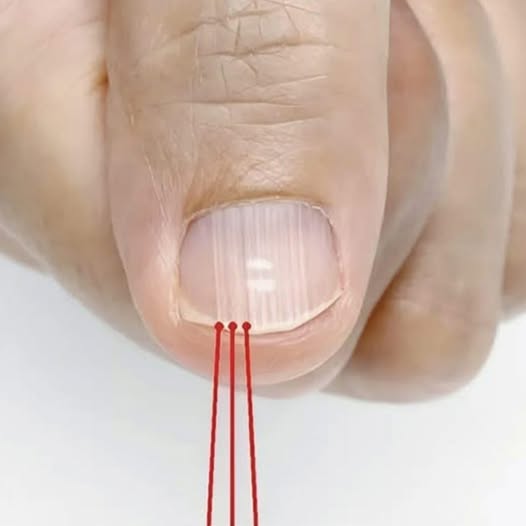
Vertical lines or ridges on your fingernails are incredibly common, but they often spark concern when they first appear. This “recipe” for understanding your nail health explores what these vertical ridges—running from the base of the nail to the tip—actually reveal about your body.
The Vertical Ridge Blueprint: What Your Nails Are Trying to Tell You
Your nails act as a window into your overall health. While many people fear that vertical lines are a sign of a serious deficiency, the reality is often much more routine. Here is a breakdown of the common ingredients behind this physical change.
Prep Time: A Quick Visual Inspection
Yield: Understanding and Peace of Mind
The Primary Ingredients (What Causes Vertical Lines)
1. The Natural Aging Process (The Most Common Factor)
Just as skin develops wrinkles as we age, our nails change their texture. Vertical ridges are essentially the “wrinkles” of the nail bed.
The Revelation: As we get older, the cell turnover in our nails slows down, and the natural oils that keep nails smooth begin to decrease. This is a normal part of the aging process and is usually not a cause for alarm.
2. Moisture Depletion
Nails require a specific balance of oils and moisture to stay flexible and smooth.
The Revelation: Frequent hand washing, exposure to harsh cleaning chemicals, or living in a very dry climate can strip the nail of its natural moisture, making vertical ridges more prominent.
3. Nutritional Deficiencies
In some cases, your nails may be signaling that your body is low on specific building blocks.
The Revelation: While less common than aging, vertical ridges can sometimes be linked to a lack of Iron, B-12, or Magnesium. If you also feel chronically fatigued, this is an ingredient worth investigating with a professional.
4. Underlying Health Conditions
Very rarely, pronounced ridges can be linked to systemic issues.
The Revelation: Conditions such as anemia, rheumatoid arthritis, or peripheral vascular disease can affect how the nail grows. However, these are almost always accompanied by other, more significant symptoms.
The Instructions (How to “Smooth” the Recipe)
Hydrate Internally and Externally: Drink plenty of water and apply a high-quality cuticle oil or thick moisturizer to your nails and nail beds every night before sleep.
Protect Your Hands: Wear gloves when using cleaning products or washing dishes to prevent chemical “stripping” of your nail’s natural oils.
Avoid Over-Buffing: While it’s tempting to sand down the ridges with a buffer, doing this too often can thin the nail plate and make it brittle.
Balanced Nutrition: Ensure your “inner recipe” includes iron-rich foods (like spinach or lentils) and healthy fats (like avocados or nuts) to support nail growth.
Chef’s Note: When to See a Doctor
While vertical lines are usually harmless, horizontal lines (known as Beau’s lines) are a different story.
The Warning Sign: If you see deep horizontal grooves that run across the nail, or if your vertical ridges are accompanied by a change in nail color (like turning yellow or brown), it is time to consult a healthcare provider.
Final Thought:
Think of vertical ridges as a roadmap of your journey. In most cases, they are simply a sign that your body is maturing and perhaps asking for a little more hydration. Treat your hands with kindness, and your nails will likely follow suit.
