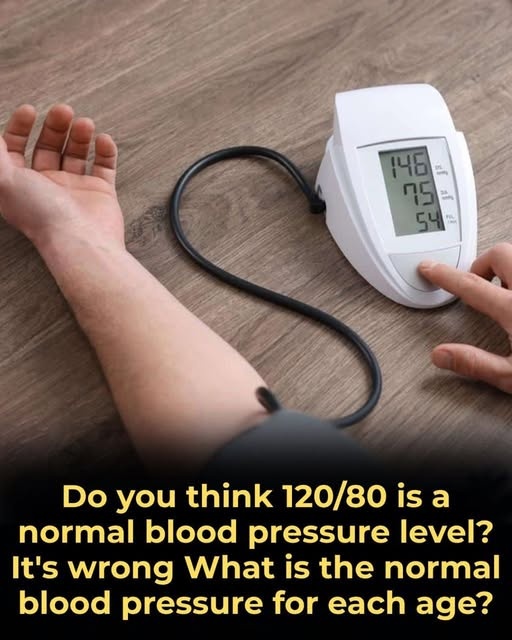
Maintaining optimal cardiovascular health starts with understanding your numbers. While many people believe there is a single “perfect” reading for everyone, blood pressure targets can shift based on your stage of life and overall health profile.
The Blood Pressure Blueprint: Finding the Right Normal for Your Age
For decades, 120/80 was touted as the gold standard for every adult. However, modern medicine now recognizes that “normal” is a spectrum. This article breaks down the ideal “recipe” for blood pressure across the lifespan to help you monitor your heart health with precision.
Prep Time: 5 Minutes for a Calm Reading
Yield: Clear Insights into Your Heart Health
The Ingredients (Understanding the Numbers)
To read the “recipe” of your blood pressure, you need to understand the two numbers on the monitor:
Systolic (Top Number): The pressure in your arteries when your heart beats.
Diastolic (Bottom Number): The pressure in your arteries when your heart rests between beats.
The Guidelines: Normal Ranges by Age Group
While individual goals should always be discussed with a doctor, the following ranges are generally considered healthy targets for different age groups:
Children and Adolescents (Ages 1–19)
Blood pressure in children is calculated based on height, age, and sex.
Normal: Generally below the 90th percentile for their specific demographic.
Goal: Establishing healthy habits early to prevent “creeping” numbers later in life.
Young Adults (Ages 20–39)
At this stage, the body is typically at its peak resilience.
Normal: Less than 120/80.
Focus: Managing stress and maintaining an active lifestyle to prevent early-onset hypertension.
Middle-Aged Adults (Ages 40–59)
As the arteries begin to naturally stiffen, the top number may slightly increase.
Normal: Ideally still near 120/80, but readings up to 130/80 are closely monitored.
Focus: This is the critical “maintenance” phase where diet and weight management play a major role.
Seniors (Ages 60+ )
For older adults, doctors sometimes allow for a slightly higher systolic pressure to ensure blood reaches the brain effectively.
Normal: Often targeted at less than 130/80 or 140/90, depending on other health conditions like diabetes or kidney disease.
Focus: Monitoring for “orthostatic hypotension” (dizziness when standing up) is vital for this group.
Instructions for an Accurate Reading (The Method)
To get the most “authentic” result, follow these preparation steps:
Rest First: Sit quietly for at least five minutes before taking a measurement.
Position Matters: Sit with your back supported and feet flat on the floor (do not cross your legs).
Arm Level: Ensure your arm is supported on a flat surface at the same level as your heart.
Avoid Stimulants: Do not smoke, drink caffeine, or exercise for at least 30 minutes prior to the test.
Chef’s Note on 120/80
Is 120/80 wrong? Not exactly. It remains a fantastic target for general health. However, it is a “signpost,” not a law. Factors like your age, activity level, and underlying conditions mean that your personal “normal” might be slightly different.
Final Thought:
One high reading is not a diagnosis; it’s an invitation to observe. If you consistently see numbers outside the healthy range for your age, keep a log for one week and bring it to your next check-up
