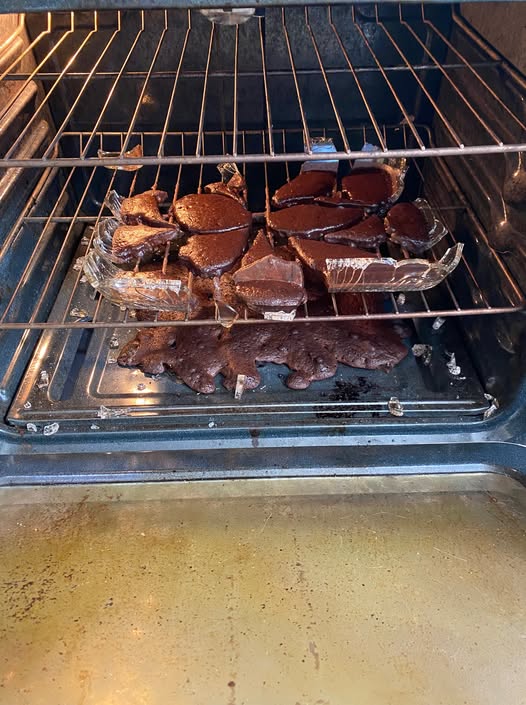
The Dangers of Baking with Glass: What Happened to My Cake?
Baking can sometimes lead to unexpected surprises, especially when using glass bakeware. If you’ve recently experienced a shattered glass pan while baking a cake, you’re not alone. This article covers what might have gone wrong and how to prevent it in the future.
The Incident: A Shattered Glass Pan
What Happened?
You mixed up a cake batter from a box mix, placed it in a preheated oven, and within five minutes, you were greeted with a burning smell. Upon opening the oven, you discovered your glass pan had shattered, leaving you puzzled and frustrated.
Why Did This Happen?
Several factors can contribute to the shattering of glass bakeware:
- Temperature Shock: Glass is sensitive to sudden temperature changes. If the glass pan was cold when placed in the preheated oven, the drastic temperature difference could cause it to crack or shatter.
- Old or Damaged Bakeware: As glass bakeware ages, it can develop micro-cracks that weaken its structure. Even if it’s been used successfully in the past, it may no longer be safe.
- Overheating: If the oven temperature was set too high, or if the glass pan was placed too close to the heating element, it could lead to thermal stress on the glass.
- Improper Pan Use: Some glass pans are not designed for high-temperature baking or broiling. Always check the manufacturer’s guidelines.
- Batter Thickness: If the batter was particularly thick or if too much batter was in the pan, it could cause uneven heating, leading to cracks.
Tips for Safe Baking with Glass Bakeware
1. Preheat Gradually
- If using an old glass pan, let it come to room temperature before placing it in the oven. This reduces the risk of thermal shock.
2. Inspect Your Bakeware
- Regularly check your glass pans for cracks or chips. Discard any that show signs of wear.
3. Follow Temperature Guidelines
- Always adhere to the temperature recommendations provided by the manufacturer.
4. Use Aluminum or Silicone for High Heat
- For recipes that require high temperatures, consider using aluminum or silicone bakeware, which can withstand higher heat without the risk of shattering.
5. Avoid Sudden Temperature Changes
- Never move a hot glass pan to a cold surface (like a countertop) or pour cold liquids into it. This can cause immediate cracking.
6. Use the Right Size Pan
- Ensure you’re using the appropriate size pan for your batter. Overfilled pans can lead to uneven cooking and potential spills.
Conclusion
Experiencing a shattered glass pan while baking can be disheartening and potentially dangerous. Understanding the reasons behind such incidents can help you prevent them in the future. By taking proper precautions and being mindful of your bakeware, you can enjoy stress-free baking experiences.
Call to Action
Have you ever had a similar baking mishap? Share your stories and tips for safe baking in the comments below! Happy baking! 🍰✨
