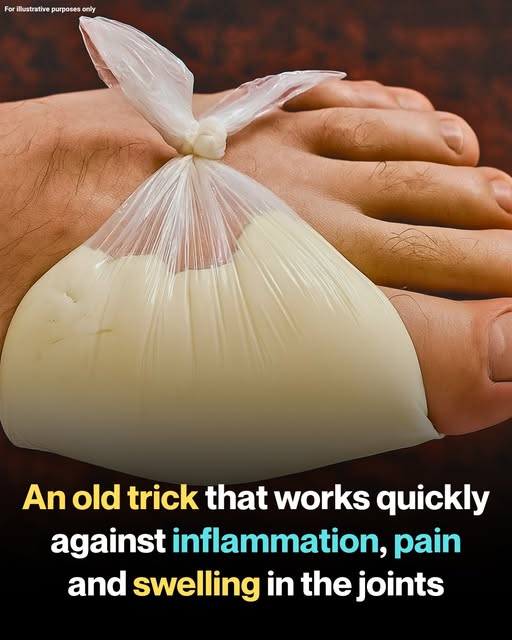
Rediscovering the Simple Homemade Cabbage Compress for Joint Pain
In an era of expensive topical creams and pharmaceutical interventions, people are rediscovering an ancient, simple “recipe” for relief: the cabbage leaf compress. While it may sound like an old wives’ tale, this natural remedy has gained renewed attention for its ability to quickly combat inflammation, pain, and swelling in the joints.
Here is the science behind why this humble vegetable is being hailed as a miracle for joint distress and exactly how to make your own.
The Science of the “Green Bandage”
Cabbage belongs to the cruciferous family, known for being rich in vitamins and phytonutrients.
Anthocyanins and Glutamine: Red and green cabbage contain powerful anti-inflammatory agents that can be absorbed through the skin to help reduce joint swelling.
Apigenin: This flavonoid found in cabbage has been shown in various studies to possess anti-inflammatory properties similar to some over-the-counter medications.
Drawing Out Fluid: The compress acts as a “drawing” agent, helping to reduce edema (fluid buildup) around painful areas like the knees, ankles, or wrists.
The Homemade Compress Recipe
To get the most out of a cabbage compress, you must prepare the leaves to release their healing juices before application.
What You Will Need
Organic Cabbage: Red cabbage is often preferred for its higher antioxidant count, but green cabbage is equally effective for cooling.
Gauze or Bandage: To hold the compress in place.
Aluminum Foil or Plastic Wrap: To keep the moisture against the skin.
A Rolling Pin or Meat Tenderizer: To bruise the leaves.
Instructions
Prep the Leaves: Wash the cabbage thoroughly and remove the outer leaves. Cut out the hard central stem so the leaf can lay flat.
Release the Juices: Place the leaves on a flat surface and use a rolling pin or tenderizer to gently bruise them. You want the leaves to be moist and supple, but not falling apart.
The Application: Wrap the bruised leaves directly around the painful joint.
Seal It In: Wrap the leaves with a layer of aluminum foil or plastic wrap to retain the natural heat of your body and prevent the juice from leaking. Secure the entire bundle with a gauze bandage.
Duration: Leave the compress on for at least one hour, though many find the best results by leaving it on overnight.
When to Use This “Old Trick”
| Condition | Benefit of Cabbage Compress |
| Arthritis | Helps soothe chronic stiffness and dull aches. |
| Sport Injuries | Reduces acute swelling and bruising after a strain. |
| Gout Flare-ups | Provides a cooling sensation that calms the “heat” of gout. |
| Overuse | Relieves inflammation from repetitive tasks like typing or gardening. |
Important Considerations
While this compress is highly effective for many, it is not a substitute for professional medical advice. If you have a known allergy to cruciferous vegetables, avoid this treatment. Always ensure your skin is clean and free of open wounds before applying the leaves.
