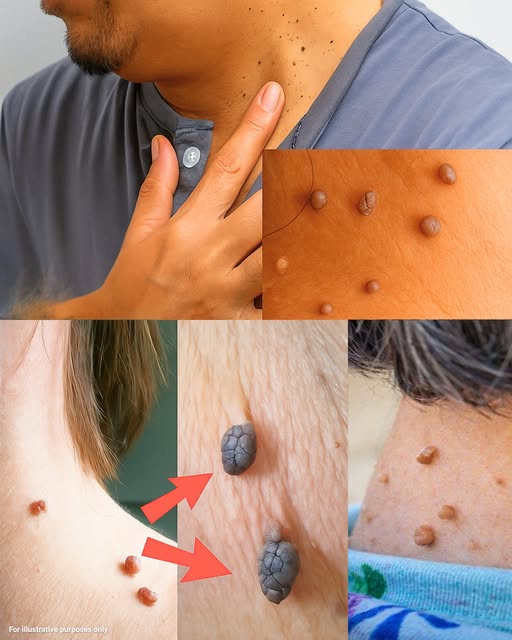
Understanding Skin Tags: What They Reveal About Your Internal Health
If you have noticed small, soft growths on your neck or under your armpits, you are not alone; these are commonly known as skin tags. While they are typically harmless and painless, their sudden appearance can be a vital “recipe” or signal from your body that something is changing internally, often related to your metabolic health.
1. The Metabolic Connection: Insulin Resistance
The most significant “ingredient” in the development of skin tags is often insulin resistance.
The Growth Trigger: When your body becomes less responsive to insulin, it produces more of the hormone to compensate. High levels of insulin can act as a growth stimulant, causing skin cells to multiply rapidly in areas where skin rubs against skin, leading to the formation of tags.
The Diabetes Warning: Numerous clinical studies have shown a strong correlation between a high number of skin tags and an increased risk of Type 2 diabetes or pre-diabetes.
2. Friction and Skin Fold Locations
Skin tags are most frequently found in specific “recipe” locations due to mechanical irritation.
Neck and Armpits: These areas experience constant friction from clothing, jewelry, and natural movement.
Eyelids and Groin: Any area where skin folds meet is a prime environment for these small, pedunculated growths to emerge.
3. Other Contributing Factors
Beyond metabolic health, several other factors can stir the “recipe” for skin tag development:
Hormonal Changes: Many women develop skin tags during pregnancy due to the influx of growth hormones and natural weight gain.
Genetics: If your parents had skin tags, you are statistically more likely to develop them as you age.
Age: They become significantly more common as we enter our 40s and 50s, partly due to the natural loss of skin elasticity.
Summary of Skin Tag Significance
| Feature | Potential Meaning |
| High Quantity | May indicate underlying insulin resistance or metabolic syndrome. |
| Sudden Appearance | Could be a signal of rapid hormonal shifts or weight changes. |
| Location (Neck/Axilla) | Typically linked to friction and insulin-driven cell growth. |
What Should You Do?
While skin tags themselves are benign, they serve as a visible “check engine light” for your metabolism. If you notice a sudden increase in these growths, it is a good idea to speak with a healthcare professional about testing your blood sugar and insulin levels. Often, adjusting your diet to include more whole foods and reducing refined sugars can slow or stop the development of new tags.
