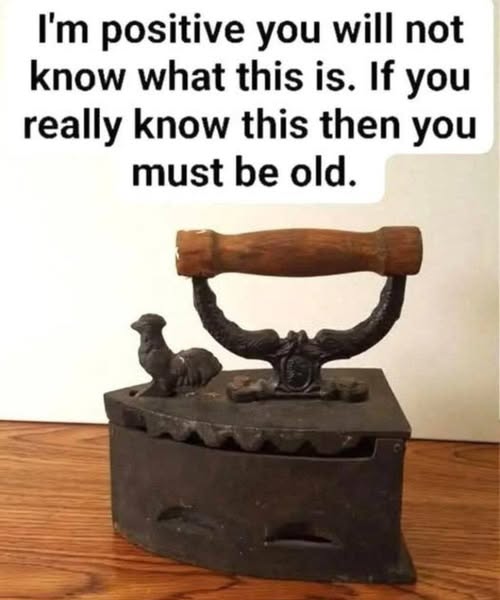
In an era of high-tech appliances, encountering a charcoal box iron is like finding a piece of a forgotten “recipe” for domestic life from centuries ago. This heavy, cast-iron tool was once a household staple, predating the electric versions we use today.
The Domestic Artifact: Understanding the Charcoal Box Iron
If you recognize the object in the photo, you likely have an appreciation for history or remember seeing one in an older relative’s home. Before electricity, pressing clothes was a labor-intensive process that required both physical strength and careful heat management.
Prep Time: 20 Minutes to Heat the Coals
Tool Lifespan: Decades of Service
Yield: Perfectly Pressed Linens
The Components (The “Ingredients”)
Cast Iron Body: A heavy, hollowed-out base that retains heat for long periods.
Charcoal Reservoir: The interior chamber where hot coals were placed to provide the heating element.
Wooden Handle: Crucial for protecting the hand from the intense heat of the metal.
Vents (Air Holes): Small openings along the side that allow oxygen to reach the coals, keeping them burning.
The Rooster Latch: Often decorative, this latch secured the lid to prevent hot embers from falling onto the white fabric.
How It Was Used (The Method)
Prepare the Fuel: High-quality charcoal was ignited until it reached a glowing red state.
Load the Box: The lid was unlatched, and the glowing coals were carefully placed inside the hollow base.
The “Stoking” Process: The user would swing the iron back and forth. The movement forced air through the side vents, stoking the coals and increasing the temperature of the metal base.
The Heat Test: To ensure the iron wasn’t so hot it would scorch the fabric, users often flicked a drop of water onto the base. If it “sizzled” instantly, it was ready.
Pressing: The weight of the iron (often several pounds) combined with the charcoal heat did the heavy lifting of removing wrinkles.
Chef’s Note on Maintenance
Just as we’ve discussed how to restore yellowed clothes to bright white using vinegar and baking soda, keeping a charcoal iron in working order required constant care.
Preventing Rust: The iron had to be kept bone-dry and occasionally wiped with a thin layer of oil to prevent oxidation.
Avoiding Scorching: Unlike modern irons with digital settings, the “temperature control” for this device was purely based on the amount of charcoal and the speed of the user’s arm.
Final Thought:
Seeing this object reminds us how much daily “recipes” for living have changed. Whether you are dealing with a Missouri deep freeze or just trying to get through a busy January with itchy skin, taking a moment to appreciate the durability and simplicity of the past can be a great way to “exercise your brain.”
