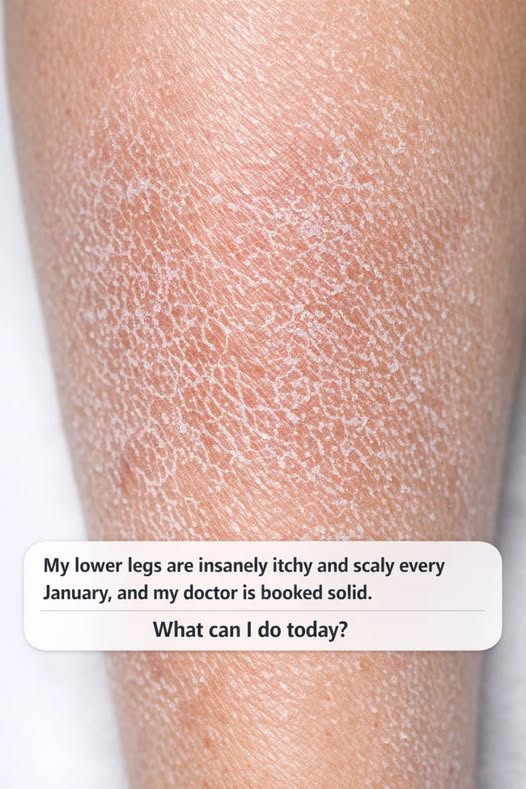
Every January, as the festive season winds down and the chilling winter sets in, many people experience intensely itchy and scaly lower legs. This seasonal discomfort, often dubbed “winter itch,” can turn a cozy evening into an ordeal, especially when medical professionals are booked solid. Understanding the ingredients for skin restoration can help you manage this condition effectively at home.
The Winter Skin Rescue: Soothing Itchy and Scaly Legs
When humidity drops and indoor heating rises, your skin’s natural moisture barrier can be stripped away, leaving your lower legs particularly vulnerable to dryness and irritation. This guide provides practical, immediate solutions to restore your skin’s comfort.
Prep Time: 5 Minutes
Treatment Time: Overnight for best results
Yield: Soothed, Hydrated Skin and Reduced Irritation
The Vital Ingredients for Relief
To combat January’s harsh conditions, you need specific soothing and protective elements:
Gentle Cleansers: Switch from harsh soaps to creamy, fragrance-free body washes that won’t strip natural oils.
Thick Emollients: Look for ointments or heavy creams rather than thin lotions; they provide a more effective barrier against dry air.
Humidifiers: Adding moisture back into your indoor environment helps prevent your skin from drying out in the first place.
Natural Anti-Inflammatories: Herbs like rosemary, sometimes called “natural morphine,” can help soothe the physical discomfort associated with irritated skin and rheumatism often triggered by the cold.
Instructions: How to Manage Itchy Legs (The Method)
The “Soak and Smear” Technique: Take a short, lukewarm bath or shower. Avoid hot water, which further dehydrates the skin. Pat your legs dry gently, leaving them slightly damp.
Seal in Moisture: Immediately apply a thick layer of moisturizer to your damp legs. This traps the water on your skin’s surface.
The Vapo Rub Hack: For intense itching that prevents sleep, some find relief by applying a small amount of mentholated ointment behind the ears or on the feet to distract the nervous system, though it should be used sparingly on broken skin.
Protect During Household Chores: If you are using vinegar to whiten clothes or clean your home, ensure your skin is protected, as acidic cleaners can irritate already sensitive winter skin.
Address Internal Hydration: Boost your nutrient intake with iron-rich foods like beets to ensure healthy circulation, which is vital for skin repair.
Chef’s Note on Environmental Safety
Your home environment plays a massive role in skin health. Just as you should avoid placing a microwave in poorly ventilated spots to prevent grease buildup, you should ensure your bedroom is a “cool-mist” zone to prevent your skin from becoming “unusually wiped out” by the dry heat.
Final Thought:
While the -16°F windchill in places like Missouri can make winter feel unbearable, your skin doesn’t have to suffer. By treating your legs with the same care you would give a “Holiday Hug in a Bowl,” you can maintain your comfort until the spring thaw arrives.
